
Leading Products For Efficient Brush Removal Service Operations
Explore top tools and equipment designed to streamline brush removal tasks and enhance your service efficiency.
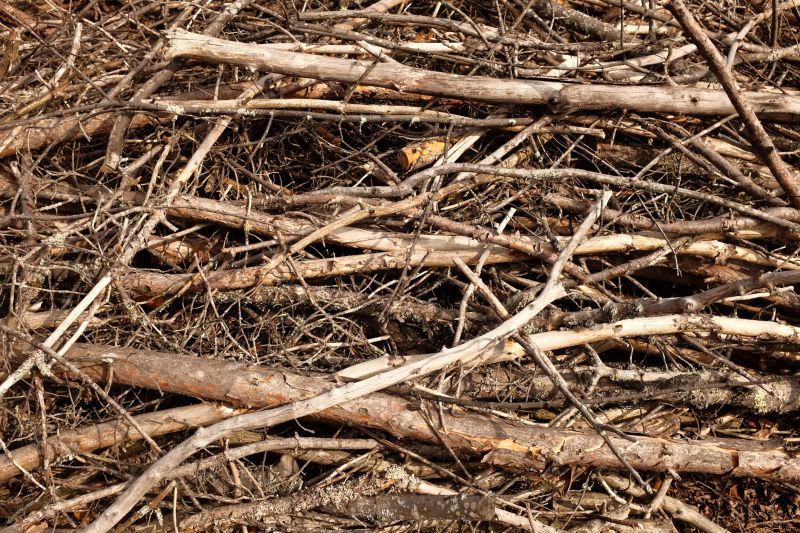 Maintaining clear and accessible outdoor spaces often involves removing overgrown brush, shrubs, and small trees. A variety of tools and equipment are available to assist in this task, ranging from manual hand tools to powerful machinery. Selecting the right products depends on the scope of the work, the terrain, and personal preferences for ease of use and safety. Whether managing a small backyard or a larger property, understanding the options can help ensure efficient and effective brush removal.
Top Overall Option
Power Brush Cutter
A versatile power brush cutter equipped with a robust engine and interchangeable blades offers the ability to tackle a wide range of brush removal tasks. Its ergonomic design and adjustable features can enhance user comfort and control, making it suitable for both small and large projects. This type of equipment often includes safety features such as blade guards and anti-vibration handles, contributing to safer operation. While it requires some familiarity to operate effectively, it can significantly improve efficiency when managing overgrown areas.
Types of Products For Brush Removal Service
Manual Pruning Shears
Ideal for trimming small branches and shrubs with precision, manual pruning shears are lightweight and easy to handle.
Loppers
Designed for cutting thicker branches, loppers provide increased leverage and cutting power for moderate brush clearing.
Hand Saws
Suitable for cutting small trees and thick branches where precision is needed, hand saws are portable and straightforward to use.
Gas-Powered Brush Cutters
These portable machines feature powerful engines and interchangeable blades, suitable for dense brush and overgrowth.
Electric Weed Whackers
Electric weed whackers with brush blades can handle moderate brush removal tasks with reduced noise and emissions.
Battery-Powered String Trimmers
Wireless and lightweight, these trimmers are convenient for smaller jobs and areas requiring maneuverability.
Chainsaws
Suitable for cutting larger branches and small trees, chainsaws come in various sizes for different levels of use.
Reciprocating Saws
Versatile power tools capable of cutting through wood and thick brush, especially useful for irregular shapes.
Heavy-Duty Brush Rakes
Designed to gather cut brush and debris, these rakes facilitate cleanup after trimming tasks.
Stump Grinders
For removing remaining stumps after brush clearing, stump grinders can efficiently grind down wood and roots.
Vegetation Management Blades
Specialized blades compatible with various power tools, designed to cut through dense vegetation and brush.
Pole Pruners
Extendable tools that allow for trimming high branches and overgrowth without the need for ladders.
Pull-Behind Brush Mowers
Mounted on a tractor or ATV, these mowers handle large-scale brush clearing efficiently over extensive areas.
Hydraulic Cutters
Heavy-duty hydraulic tools suitable for professional land clearing and managing very dense overgrowth.
Popular Choices
Widely used for their portability and power, these cutters are common for various brush removal projects.
Favored for quieter operation and lower maintenance, electric models are popular for smaller jobs.
Convenient for quick tasks, battery-powered trimmers are increasingly popular among homeowners.
A versatile tool for cutting larger branches and small trees, chainsaws are a staple in many land management kits.
Known for their adaptability, reciprocating saws are frequently chosen for various cutting tasks in brush removal.
Essential for cleanup, these rakes are popular for gathering debris after trimming.
Popular for completing land clearing projects, stump grinders help remove remaining stumps efficiently.
Extending reach makes pole pruners a popular choice for trimming high branches safely.
Commonly used with power tools, these blades are favored for their ability to cut through tough vegetation.
Manual tools such as pruning shears, loppers, and hand saws are suitable for light to moderate brush clearing, offering precision and control. For more extensive jobs, powered equipment like brush cutters, weed whackers with brush blades, and chainsaws provide increased cutting capacity. Heavy-duty brush removal often requires equipment with higher horsepower and durability, especially when dealing with thicker branches or dense vegetation.
Safety considerations are paramount when choosing brush removal products. Proper protective gear, including gloves, eye protection, and sturdy footwear, should be used regardless of the tool. Additionally, selecting equipment with ergonomic features can reduce fatigue and improve handling during prolonged use. Maintenance and ease of operation are also important factors to ensure longevity and consistent performance of the tools.
Investing in the right brush removal products can streamline outdoor maintenance tasks, saving time and effort while helping to keep properties safe and visually appealing. It is advisable to assess the specific needs of your project and choose tools that match the scale and difficulty of the work involved.
Key Buying Considerations
- Assess the size and density of the brush or vegetation to determine the necessary power and tool type.
- Consider the terrain and accessibility of the area to choose appropriately sized and maneuverable equipment.
- Safety features such as blade guards, anti-vibration handles, and safety switches are important for safe operation.
- Evaluate the weight and ergonomics of the tool to reduce fatigue during extended use.
- Check for ease of maintenance, including accessible parts and availability of replacement blades or accessories.
- Decide between manual and powered tools based on project scope, budget, and physical capability.
- Battery-powered tools offer mobility and convenience but consider battery life and charging time.
- Gas-powered equipment provides higher power for demanding tasks but requires fuel and regular maintenance.
- Noise levels may be a consideration, especially in residential areas or noise-sensitive environments.
- Compatibility with various blades and attachments can enhance versatility for different tasks.
- Ensure proper protective gear is available and compatible with the chosen equipment.
- Read user reviews and product specifications to gauge reliability and suitability for your needs.
- Determine your budget and balance cost with features and durability.
- Consider environmental factors such as weather resistance and storage requirements.
This page contains affiliate links. We may earn a commission if you make a purchase through these links, at no additional cost to you.